Overview
When a printed nylon part feels too flexible, many engineering teams immediately ask whether they should move from standard PA12 to PA12GB, a glass-filled nylon material. That can be the right decision, but only when stiffness and dimensional control are truly the bottlenecks.
PA12 and PA12GB are both useful SLS materials, but they solve different problems. PA12 is a balanced general-purpose nylon. PA12GB is better for rigid, structure-driven parts where stiffness matters more than ductility.
The wrong choice can create problems. A part that needs rigidity may feel too soft in PA12. A part that needs snap-fit movement may become too brittle or too stiff in PA12GB.
What PA12 Does Well
PA12 is often the default SLS nylon because it offers a practical balance of strength, toughness, surface quality, and dimensional stability. It is suitable for many prototypes, housings, covers, brackets, clips, and low-volume production parts.
PA12 is usually a strong choice when the part needs:
- balanced mechanical behavior
- moderate flexibility
- better snap-fit tolerance than reinforced nylon
- good impact response
- general-purpose prototyping
- functional fit and assembly testing
If the part has small clips, flexible tabs, thin covers, or features that must bend during assembly, PA12 is often safer than PA12GB.
Where PA12GB Gains Value
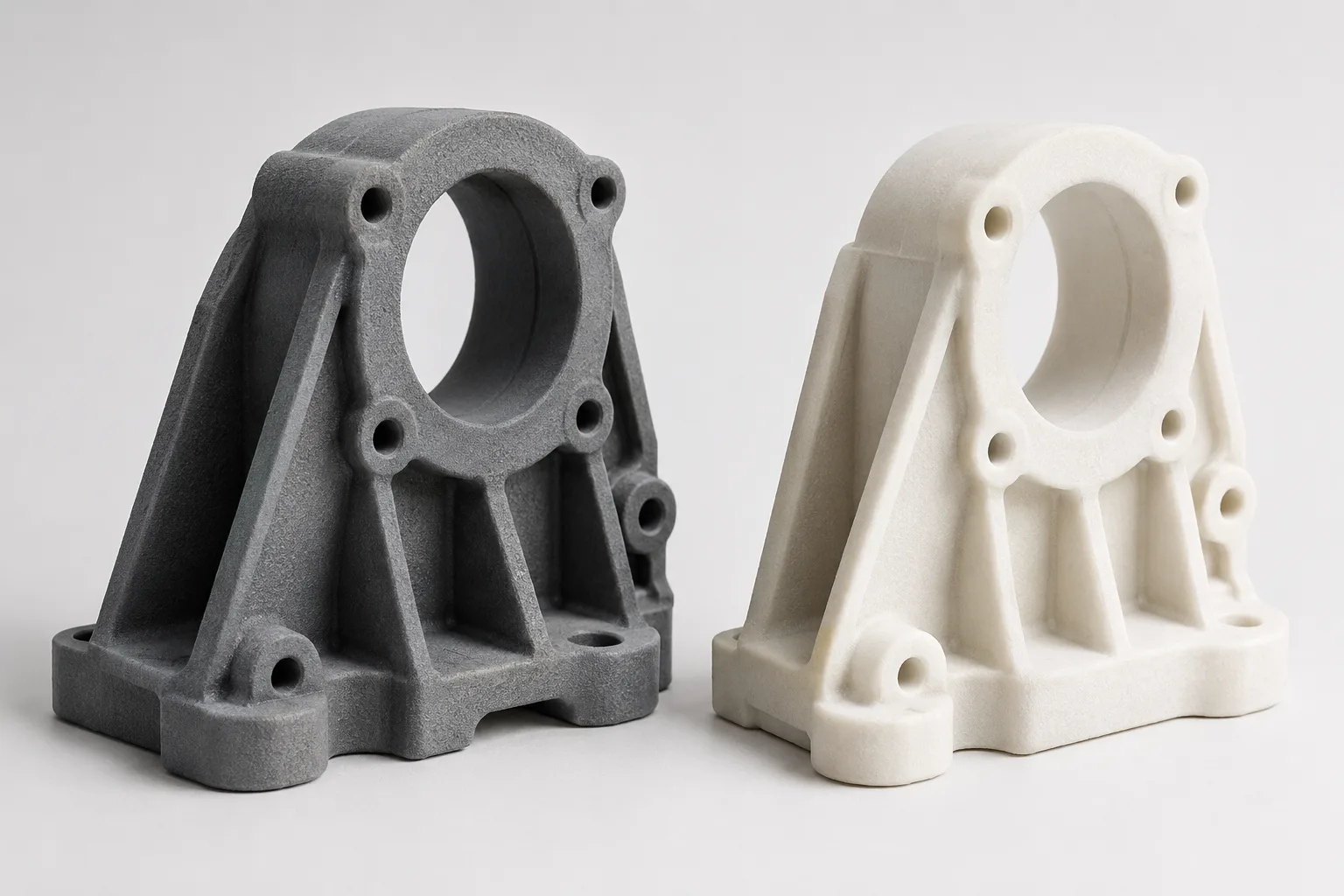
PA12GB contains glass bead or glass-filled reinforcement, depending on the material system. The reinforcement increases stiffness and helps the part feel more rigid.
Compared with standard PA12, PA12GB usually offers:
- higher stiffness
- better flatness retention
- more stable structural feel
- improved support for brackets and fixture-like parts
- better resistance to deformation under moderate load
These strengths make PA12GB attractive for:
- jigs and fixtures
- machine-side brackets
- rigid housings
- inspection tools
- covers that must remain flat
- parts where flexibility creates alignment problems
If the customer complaint is “the part feels too soft” or “the bracket deflects too much,” PA12GB may be worth testing.
Where PA12 Still Wins
More stiffness is not always better. PA12 still wins when the design needs controlled flexibility or a more forgiving response.
Choose PA12 instead of PA12GB when the part includes:
- snap-fits
- flexible clips
- living-hinge-like features
- thin tabs
- impact-prone zones
- assembly areas that must bend slightly
A reinforced nylon part may look stronger in the hand, but fail earlier if the design relies on deflection. In those cases, the right solution may be better geometry, thicker local ribs, or PA11 for high-flex features rather than switching the entire part to PA12GB.
Design Tradeoffs to Review
1. Stiffness vs. Toughness
PA12GB improves rigidity, but it can reduce the forgiving behavior that makes PA12 useful. If the application sees impact or forced assembly, review whether stiffness is truly the priority.
2. Flatness vs. Flexible Features
PA12GB can help with panels, covers, and structural faces that need to stay flat. But if those same parts include integrated clips, the clip zones may need redesign.
3. Local Reinforcement vs. Material Change
Sometimes the better answer is not a full material change. Adding ribs, fillets, local thickness, or better load paths may improve performance while keeping PA12.
4. Surface Finish and Appearance
Material choice can influence surface feel, color consistency, and post-processing behavior. If the part is customer-facing, ask for sample plaques or representative parts before production.
Application Examples
Better Fit for PA12GB
- fixture bases that should not flex during measurement
- rigid industrial brackets
- covers that need improved flatness
- machine components that need a stronger structural feel
- housings where snap-fit flexibility is not important
Better Fit for PA12
- covers with flexible latches
- handheld product prototypes
- assemblies with snap features
- parts that may be dropped or impacted
- functional prototypes where balanced behavior matters
RFQ Notes for Structural Parts
When requesting a quote, do not only ask for “stronger material.” Explain the real problem:
- Is the part bending too much?
- Is flatness the issue?
- Is the part cracking during assembly?
- Is the part used as a fixture, cover, bracket, or enclosure?
- Are there snap-fits or flexible features?
- Is appearance or finishing important?
This helps the supplier decide whether PA12GB, PA12, PA11, or a geometry change is the better recommendation.
Final Takeaway
Choose PA12GB when rigidity, flatness, and dimensional control matter most. Choose PA12 when the part needs a more balanced nylon that tolerates real-world handling, moderate impact, and flexible features.
Need help deciding whether your structural SLS part should use PA12 or PA12GB? Send TPM3D your CAD file, load case, and assembly notes for a material and DFM review.
Related Case Studies
See how we have delivered results in similar projects
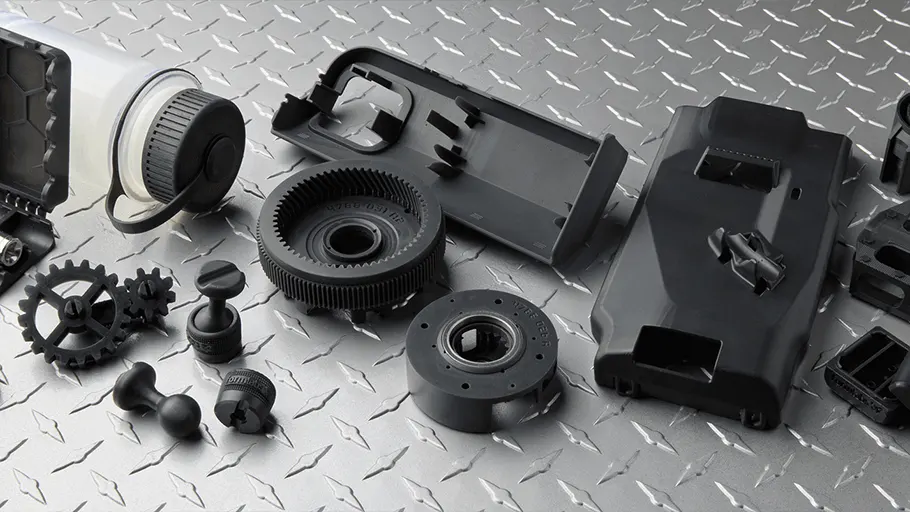 Medical
Spinal Orthosis Solution
Custom 3D printed spinal braces providing personalized solutions for scoliosis patients.
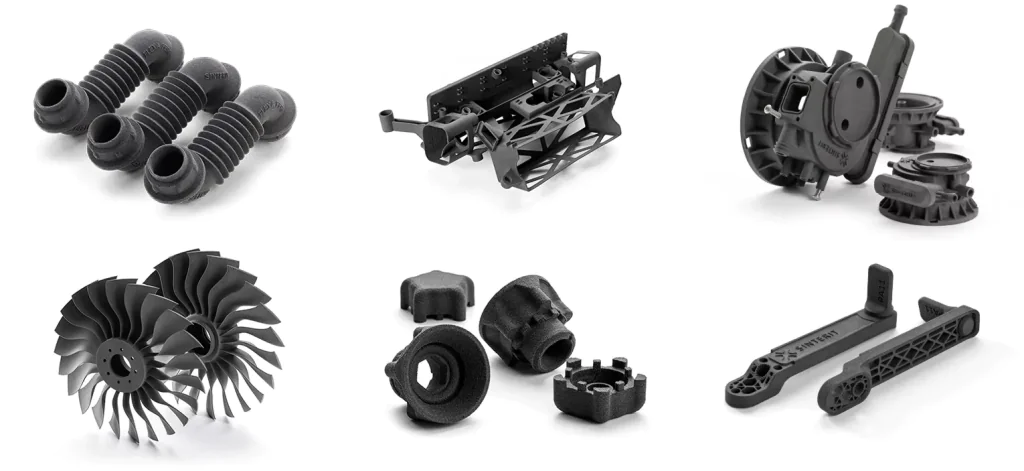 Industrial
Precision Small Parts Production
Batch production of precision small parts for multiple industry clients with complex geometries.
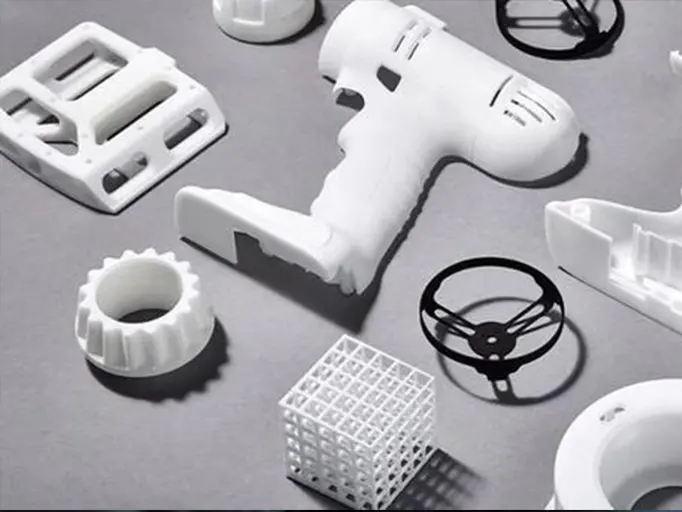 Automotive
Automotive Prototype Parts
Functional automotive prototype parts for design validation and aerodynamic testing.