Medical and orthotics prototypes
SLS 3D Printing for Orthotics and Medical Device Prototypes
Prototype orthotic supports, prosthetic covers and non-implant medical device components with nylon material guidance and design-for-manufacturing review.
Target customers
Industry pain points
What makes this application difficult?
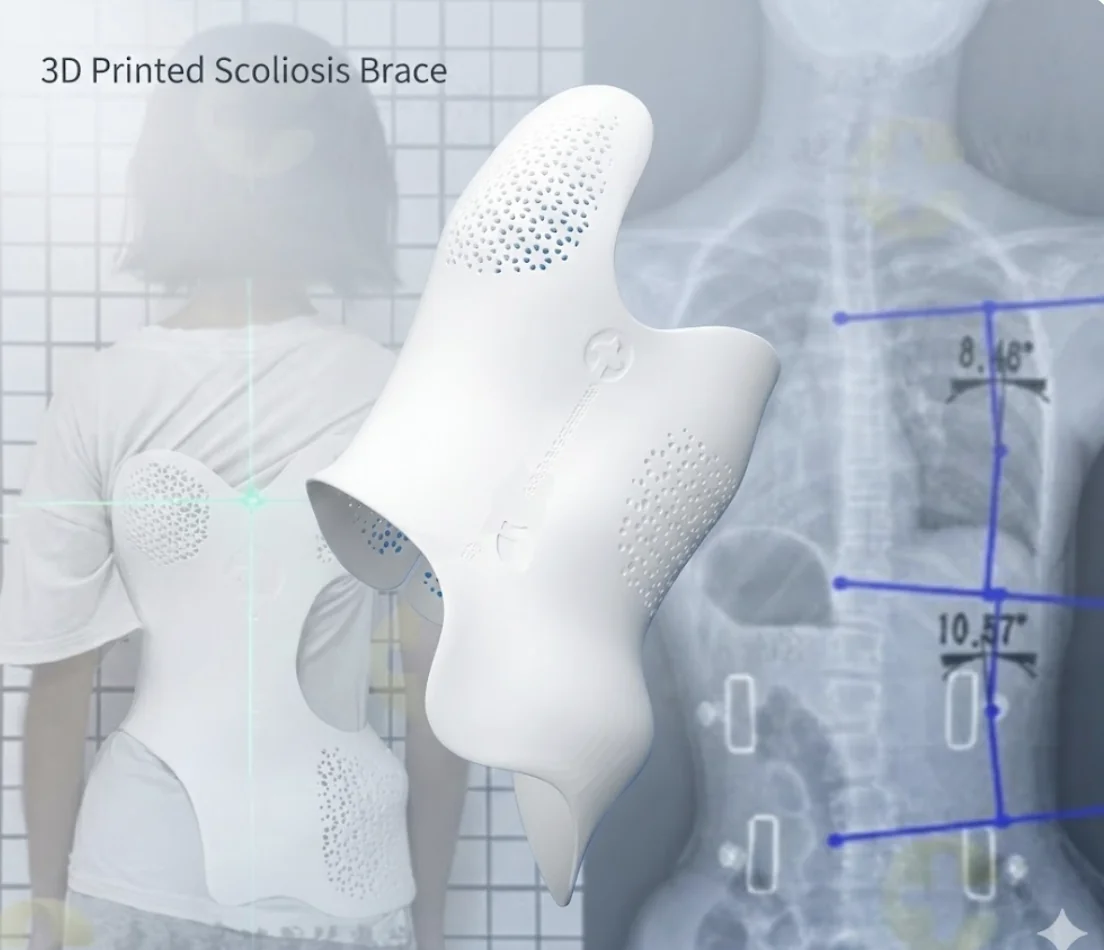
- !Orthotic and rehabilitation components often require patient-specific geometry or ergonomic iteration.
- !Medical device prototypes need functional nylon behavior before tooling or regulatory production planning.
- !Thin edges, straps, covers and screw zones can fail if material and geometry are not reviewed together.
SLS solution
How SLS helps before tooling
- ✓SLS can produce complex organic shapes, ventilated structures and lightweight covers without support marks.
- ✓PA11 and PA12 options help balance ductility, stability and skin-contact feel after finishing.
- ✓DFM review can identify weak zones, clearance risks and post-processing effects before the first build.
Application modules
Parts commonly reviewed for Medical & Orthotics
Use these examples to prepare CAD files, quantities and critical-feature notes for RFQ review.
Orthotic support prototypes
Prosthetic cosmetic covers
Rehabilitation device housings
Medical instrument handles
Non-implant device components
Anatomical and training models
Custom positioning fixtures
Wearable medical product prototypes
Material recommendation
Choose PA12, PA11, PA12GB or TPU by function
Material choice should follow the real load case: stiffness, impact resistance, repeated flexing, contact feel and finishing requirements.
Material and testing support
Precimid 1190Pro biological evaluation data
Precimid 1190Pro with chemical vapor smoothing has test data covering cytotoxicity (ISO 10993-5), skin irritation (ISO 10993-23) and skin sensitization (ISO 10993-10). Under the study conditions, the extract showed no potential cytotoxicity, a skin irritation PII of 0 (Negligible), and a sensitization positive rate of 0% in the test groups.
These data can inform material evaluation for rehabilitation and orthotic projects. Results are limited to the tested articles and conditions and do not certify a final device or every skin-contact duration. Review contact type, duration, color, finish, cleaning and sterilization requirements for your product.
Case module
Problem-material-quantity-cycle-result format
This de-identified pattern shows the kind of project information that makes DFM review and quotation more accurate.
Design advice
DFM notes before uploading CAD
Review minimum wall thickness around thin edges, slots and strap features before printing.
Use generous radii where flexible areas meet rigid sections to reduce cracking risk.
Avoid closed cavities unless powder-removal openings are added and clearly marked.
Plan finishing early because smoothing, dyeing or coating can change fit and edge feel.
For regulated products, use SLS prototypes for engineering validation unless production compliance is separately specified.
Related engineering resources