
Direct answer
SLS post-processing and inspection should be planned from the part function backward. Start with the surfaces that must fit, move, seal, bond, or remain visible. Then define the finishing route, measurement method, acceptance criteria, and evidence needed for release. This prevents a cosmetic finish from being chosen before the engineering requirements are understood.
What is SLS post-processing?
SLS post-processing is the set of operations performed after powder-bed production to clean, smooth, coat, mark, assemble, or otherwise prepare a nylon part for its intended use. Inspection is the parallel quality step that confirms the part matches the agreed drawing, model, appearance, and functional requirements.
Which post-processing route fits the part?
1. Depowdering and cleaning
Every SLS project begins with removal of loose powder and inspection of openings, cavities, and interfaces. For complex parts, the RFQ should identify areas where retained powder would affect assembly, airflow, movement, or cleanliness.
2. Surface smoothing or cosmetic finishing
Sanding, blasting, tumbling, vapor or chemical smoothing, and coating can produce different visual and tactile results. The correct choice depends on the geometry, target appearance, edge definition, and whether text, small features, or mating surfaces must remain sharp.
3. Coating, painting, or marking
If coating is required, define the coating type, color reference, gloss target, masking boundaries, and any post-coating inspection. Do not treat a finish description as proof of chemical, UV, wear, or weathering performance unless the project includes evidence for that requirement.
4. Inserts and assembly
Threaded inserts, bonded components, heat-set elements, or multi-part assembly may be added after printing. The RFQ should identify torque, service access, adhesive, or replacement requirements rather than assuming a printed thread is always the best solution. See the guide on threaded inserts in SLS parts.
What should be inspected?
A useful inspection plan separates general checks from critical-to-function checks.
| Inspection area | Example questions | Evidence to define |
|---|---|---|
| Geometry | Does the part match the latest CAD revision? | Revision, datum scheme, measurement method |
| Interfaces | Do mating, mounting, or moving features fit? | Critical dimensions and functional check |
| Appearance | Are visible surfaces and boundaries acceptable? | Approved sample, finish reference, defect limits |
| Openings and cavities | Is loose powder removed from required areas? | Cleaning method and visual or functional check |
| Assembly | Do inserts, fasteners, or bonded parts work as intended? | Assembly procedure and acceptance criteria |
| Packaging | Is the part protected from damage or contamination? | Packaging standard and handling notes |
The table is a planning framework, not a universal tolerance or acceptance specification. Project drawings, material data, process capability, and customer requirements govern the final criteria.
When should inspection requirements be fixed?
Set them before production whenever possible. A practical sequence is:
- Mark critical dimensions and surfaces on the drawing or 3D model.
- Separate cosmetic requirements from functional requirements.
- Define the measurement method and reference datums.
- Agree which findings require rework, concession, or rejection.
- Confirm whether first-article, sample, or batch records are needed.
- Review a representative finished sample before scaling the same route.
What information should be included in an RFQ?
For a reliable review, include:
- Latest CAD and drawing revision
- Quantity and intended use
- Material family or preferred grade, if known
- Critical dimensions, interfaces, and visible surfaces
- Finish target, color, coating, or marking requirements
- Inspection method and report expectations
- Packaging, labeling, and delivery destination
- Photos or samples of the desired finish when appearance matters
See How to Prepare a Better RFQ for SLS 3D Printing and SLS End-Use Nylon Parts: Qualification Checklist.
Limits and project-specific validation
Post-processing is not a substitute for design validation. A finish may improve appearance while changing edge definition, surface texture, or local dimensions. Likewise, a visual inspection cannot prove load capacity, sealing, chemical resistance, or long-term durability. Those requirements need their own test method and acceptance evidence.
For complex assemblies, also review common reasons SLS parts fail in testing, SLS design guidelines, and SLS robot grippers and EOAT.
Release checklist
Before approving shipment, confirm:
- Correct CAD and drawing revision
- Required powder removal completed
- Finish and masking checked against the approved reference
- Critical dimensions measured with the agreed method
- Inserts or assemblies function as intended
- Defects and concessions documented
- Packaging matches the project requirement
Need a project review? Send the CAD revision, quantity, material preference, finish target, critical features, inspection plan, and delivery requirements for an engineering review.
Frequently Asked Questions
What should be decided before SLS post-processing?
Define the part function, visible surfaces, mating interfaces, inspection points, and any coating or marking requirement before production.
Does post-processing change SLS part dimensions?
It can. The effect depends on the process, area treated, geometry, and material grade, so critical interfaces should be identified for project-specific verification.
Which SLS inspection data should be requested?
Request the agreed inspection method, critical dimensions, datum references, sample size, and a record format that matches the acceptance plan.
Is one finish suitable for every SLS part?
No. Cosmetic surfaces, sliding interfaces, bonded areas, and sealing features can require different finishing and inspection decisions.
What should an SLS RFQ include for finishing?
Include the finish target, critical surfaces, masking or coating boundaries, color reference, inspection requirements, and delivery packaging expectations.
Related Case Studies
See how we have delivered results in similar projects
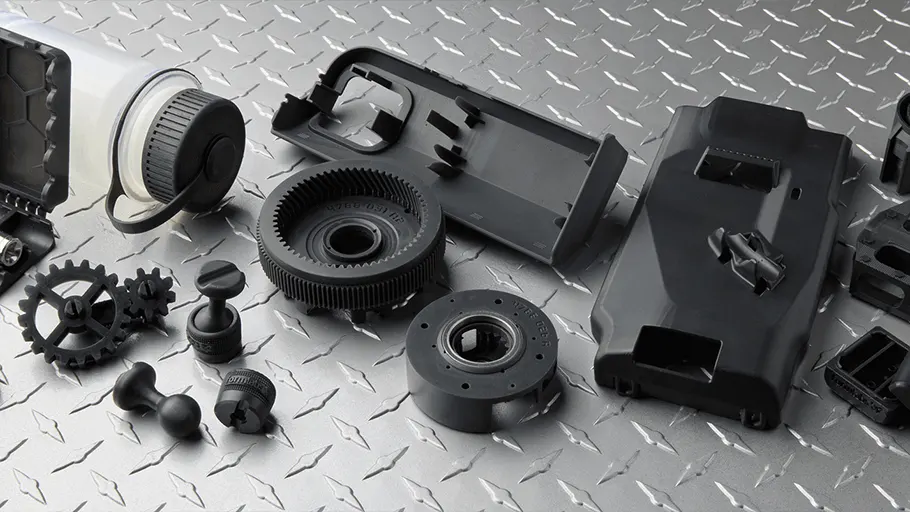 Medical
Spinal Orthosis Solution
Custom 3D printed spinal braces providing personalized solutions for scoliosis patients.
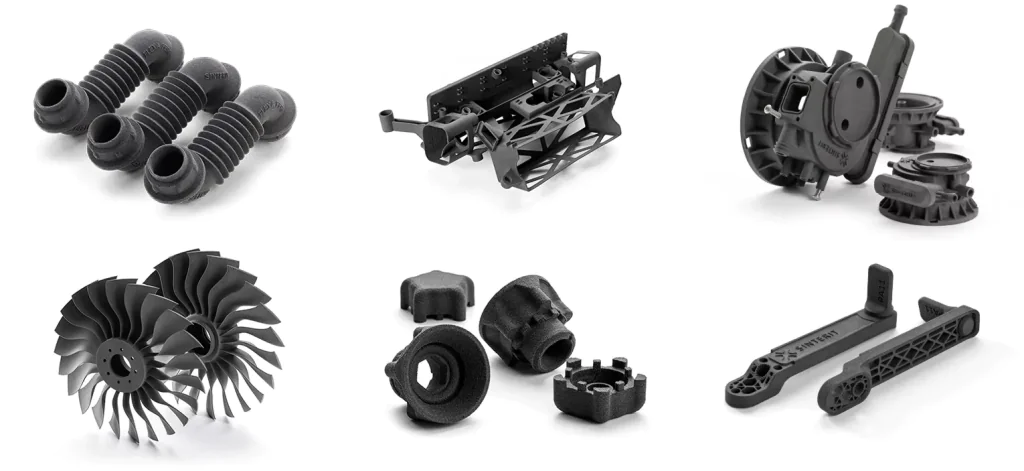 Industrial
Precision Small Parts Production
Batch production of precision small parts for multiple industry clients with complex geometries.
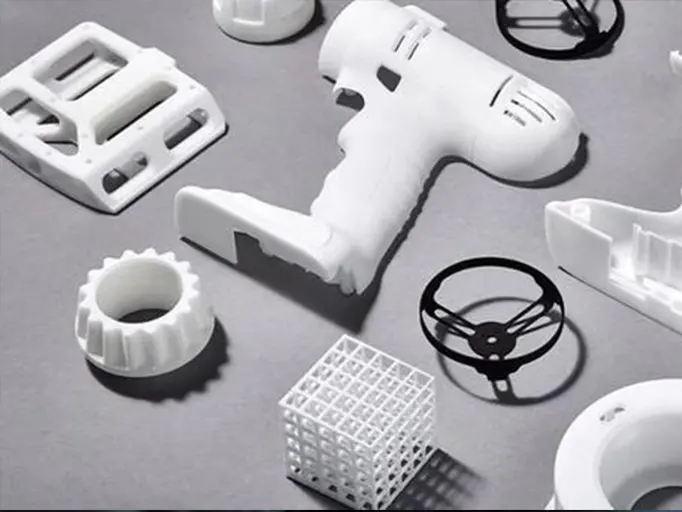 Automotive
Automotive Prototype Parts
Functional automotive prototype parts for design validation and aerodynamic testing.