Introduction
When an SLS part fails, the machine often gets blamed first. In reality, most failures come from a mismatch between design intent, material choice, and real use conditions. A part can be manufactured correctly and still perform poorly if the engineering assumptions behind it were incomplete.
That is why meaningful failure prevention starts long before printing.
1. Material Was Not Matched to the Real Load Case
One of the most common causes of failure is material mismatch. A clip may be too stiff. A bracket may be too flexible. A rigid part may have needed a reinforced grade instead of standard nylon.
The best way to avoid this is to identify the feature most likely to control performance or fail first. That feature usually tells you more about the correct material than the rest of the part combined.
2. Walls Were Designed to Print, Not to Perform
A wall that is printable is not always durable enough. This problem is common in tabs, covers, unsupported spans, and mounting areas. The CAD file meets a technical minimum, but the part is too delicate for handling, testing, or assembly loads.
Where possible, improve strength through geometry such as ribs, local reinforcement, and smoother transitions rather than only thickening every wall.
3. Stress Concentrations Were Overlooked
Abrupt corners, sharp transitions, and poorly blended flexible features create local weak points. When the part is loaded, stress collects in a small region and cracking begins there first.
Watch especially for:
- Snap-fit roots
- Fastener zones
- Cutout corners
- Tabs connected to rigid walls
- Thin sections meeting thick sections
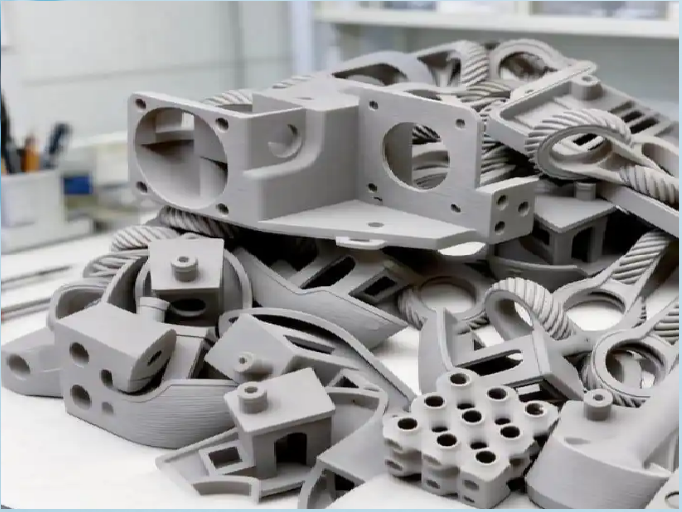
4. Assembly Loads Were Ignored
A part may be strong on its own but fail once it is installed, forced into alignment, or tightened with hardware. Many failures happen not because the printed part is weak in isolation, but because the surrounding system imposes more load than expected.
Questions worth asking early:
- Does installation require bending or forcing?
- Are screws applying load into a small printed zone?
- Is alignment imperfect in the full assembly?
- Does repeated service access change the load case?
5. Testing Conditions Did Not Match Design Assumptions
Sometimes the part was designed for one scenario and tested in another. A cover that was expected to open rarely may be opened repeatedly. A bracket may see vibration. A fixture may see impact. These mismatches can make the part appear unreliable when the real issue is incomplete specification.
Final Takeaway
SLS part failure is rarely random. It usually comes from a predictable gap between how the part was designed and how the part is actually used.
If material choice, geometry, and assembly conditions are reviewed together early, many failures can be prevented before the first part is ever built.
Related Case Studies
See how we have delivered results in similar projects
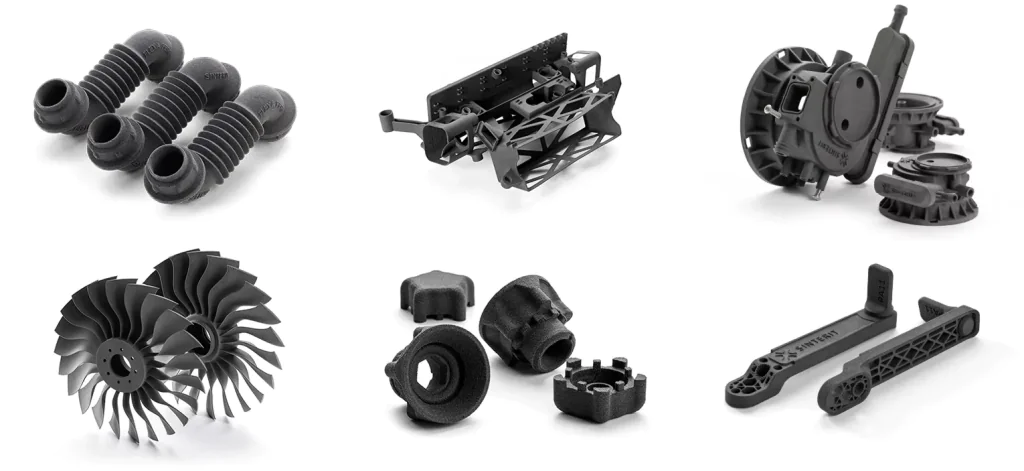 Industrial
Precision Small Parts Production
Batch production of precision small parts for multiple industry clients with complex geometries.
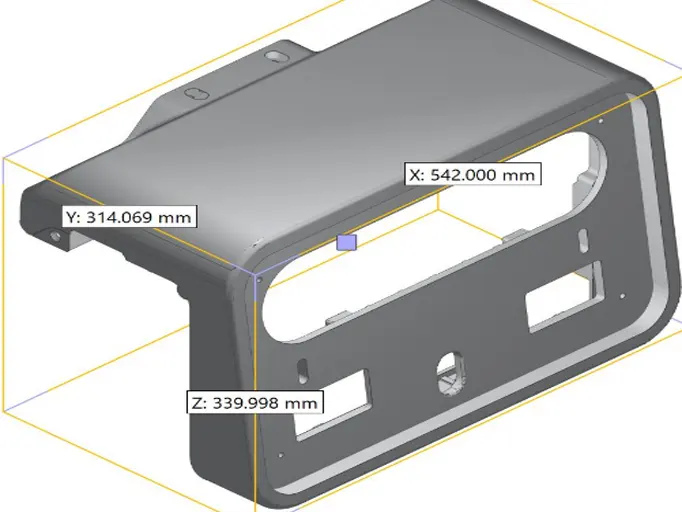 Industrial
Industrial Robot Gripper
Custom end-of-arm tooling for industrial robots with complex internal channels.
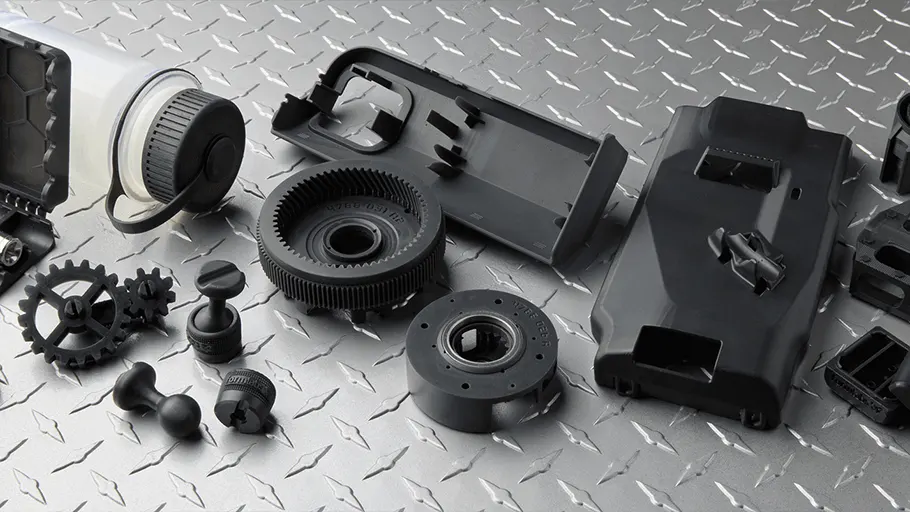 Medical
Spinal Orthosis Solution
Custom 3D printed spinal braces providing personalized solutions for scoliosis patients.