Introduction
A good SLS quotation starts before pricing. The quality of the RFQ shapes the quality of the manufacturing review, the usefulness of the engineering feedback, and often the success of the first build.
When a request includes only a CAD file and a quantity, valuable context is missing. The supplier may still provide a number, but the quotation is less likely to reflect what the part really needs.
What a Strong RFQ Should Clarify
A strong quote request helps define:
- What the part is for
- Which features are critical
- Whether the build is cosmetic, functional, or pre-production
- Which material tradeoffs matter most
- What finishing is actually required
This leads to a more useful quote and a better first-pass result.
What to Include in Your RFQ
1. A Clean, Current File
Start with the latest correct file revision in a standard manufacturing format. If the design includes multiple parts, make sure assemblies and variants are clearly labeled.
2. Intended Use
This is one of the most important notes you can add. Is the part for:
- Visual review
- Assembly validation
- Functional testing
- Pilot production
- End-use low-volume application
The answer can change the recommended material and finishing route significantly.
3. Critical Features
If one fit, latch, wall, or mounting point matters more than everything else, say so. Without that note, the part may be reviewed as a general print instead of an application-specific engineering component.
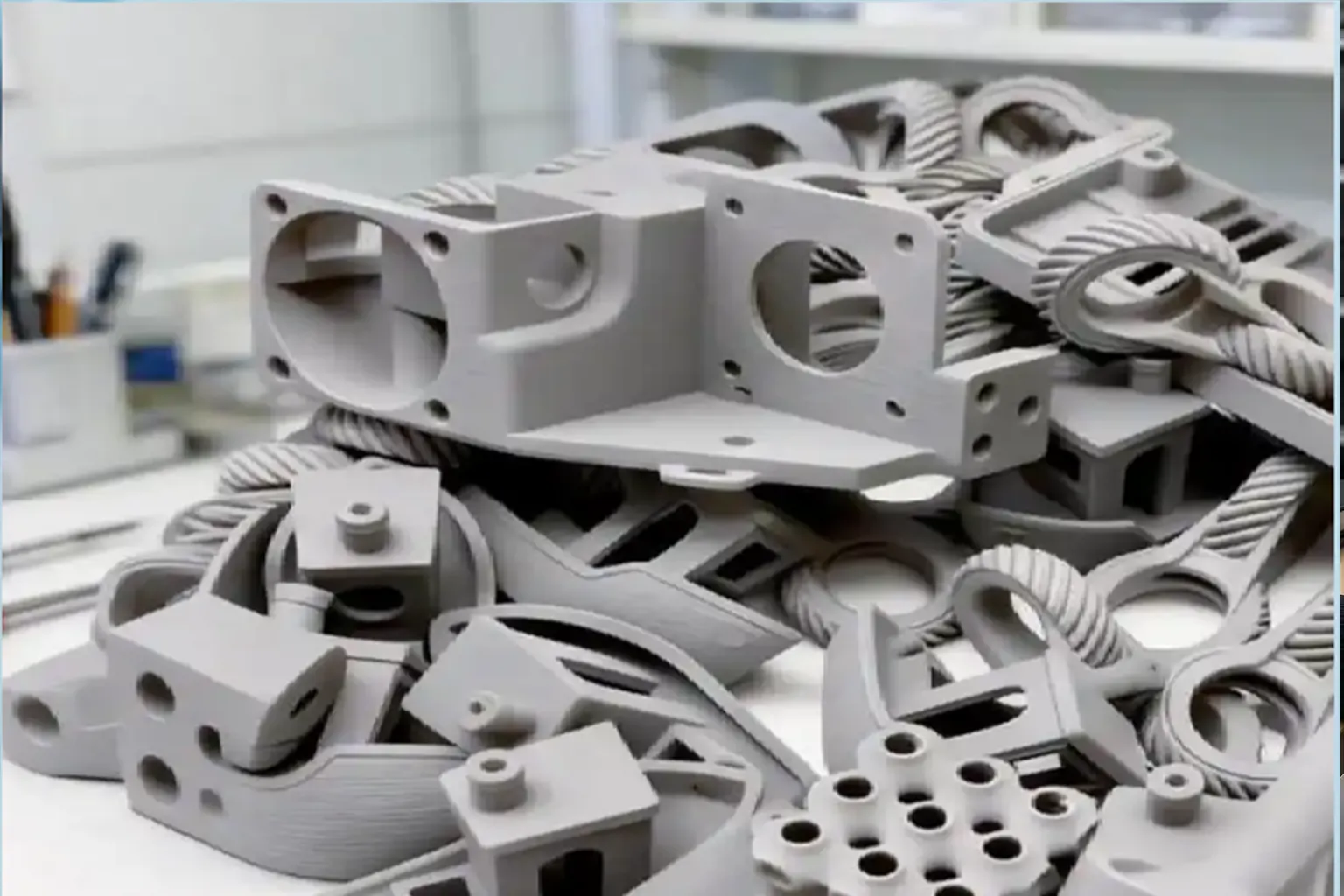
4. Material Priority
You do not always need to specify an exact material, but you should explain what matters most:
- Higher stiffness
- Better flexibility
- Better impact resistance
- A stable general-purpose nylon
- A reinforced structural feel
That allows the supplier to respond with a recommendation instead of just a price.
5. Finish and Hardware Expectations
Clarify whether the part should remain as-printed, be dyed, receive extra finishing, or support threaded hardware. These choices affect both cost and downstream usefulness.
6. Quantity and Timing
Low-volume SLS is especially useful when quantity is moderate and lead time matters. Stating both quantity and target timing helps define the right production path.
Final Takeaway
The best SLS RFQs do more than ask for price. They explain the engineering goal clearly enough that the supplier can provide useful review and appropriate recommendations.
If you want a better first build, start with a better RFQ.
Related Case Studies
See how we have delivered results in similar projects
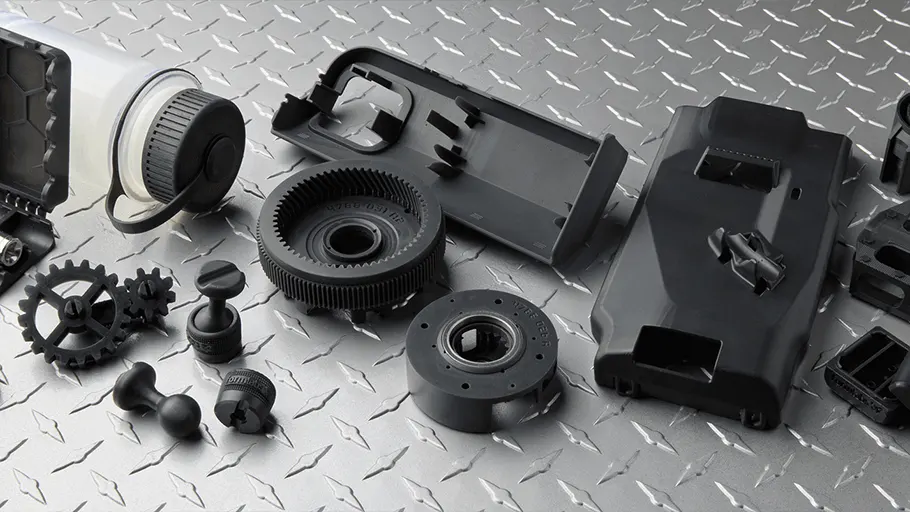 Medical
Spinal Orthosis Solution
Custom 3D printed spinal braces providing personalized solutions for scoliosis patients.
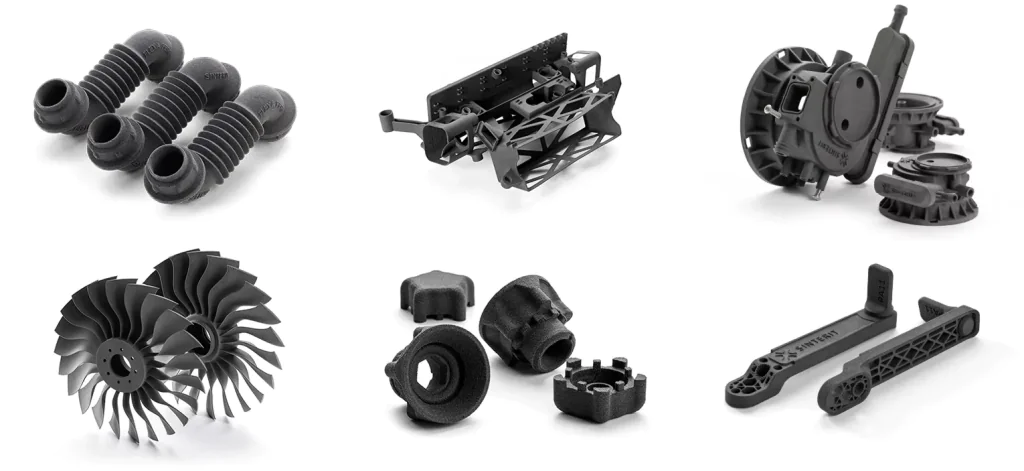 Industrial
Precision Small Parts Production
Batch production of precision small parts for multiple industry clients with complex geometries.
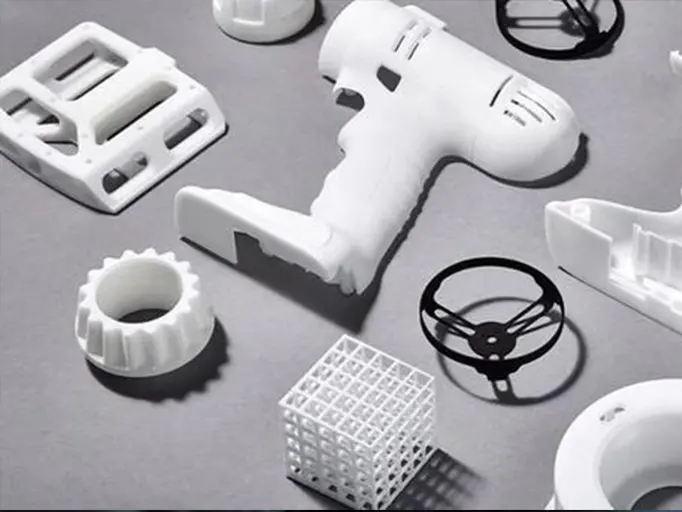 Automotive
Automotive Prototype Parts
Functional automotive prototype parts for design validation and aerodynamic testing.