Introduction
When selecting a 3D printing technology for your next project, the choice between Selective Laser Sintering (SLS) and Stereolithography (SLA) can significantly impact your results. Both are professional-grade additive manufacturing processes, but they serve very different purposes.
This guide breaks down the key differences to help you make an informed decision.
What Is SLS 3D Printing?
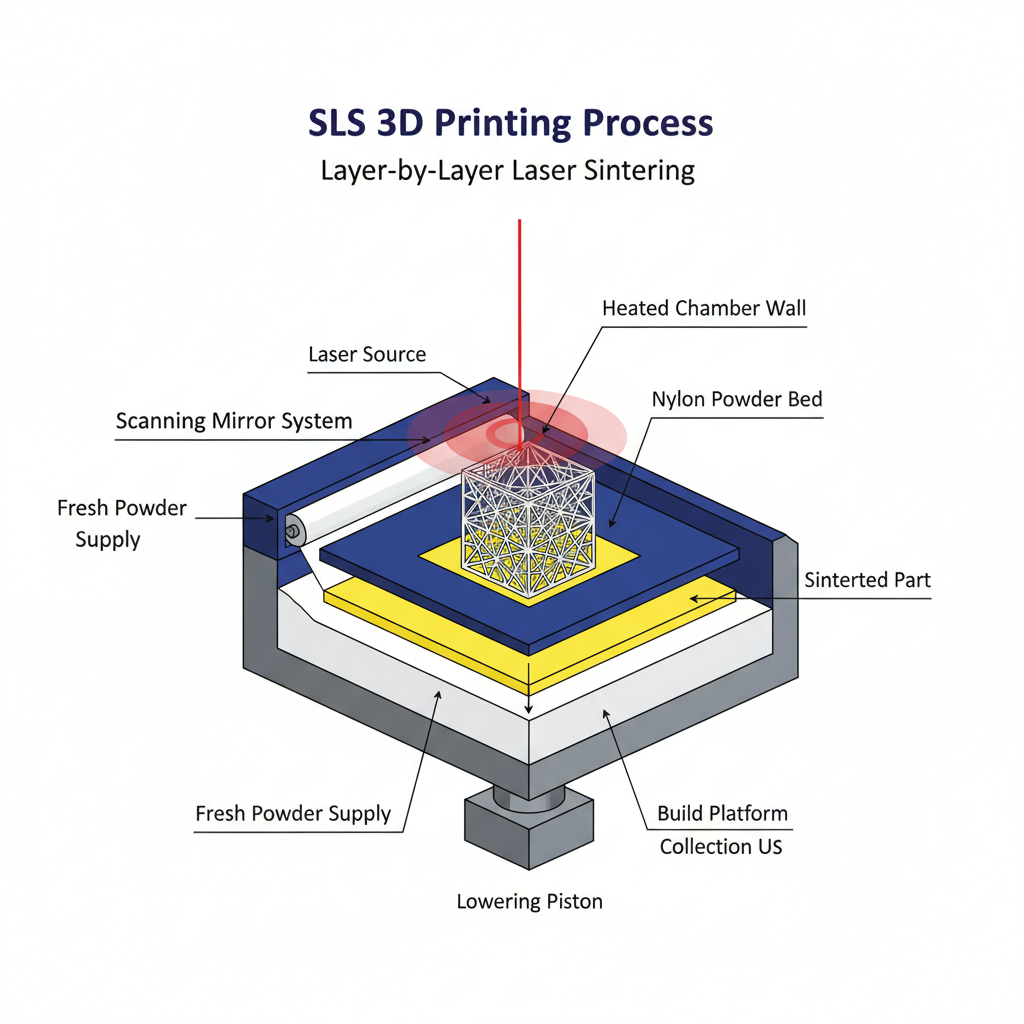
SLS uses a high-powered laser to fuse powdered nylon (typically PA12 or PA11) layer by layer. The unsintered powder acts as a natural support structure, eliminating the need for support removal post-processing.
Key characteristics:
- Material: Nylon powder (PA12, PA11, PA12GB, TPU)
- Layer thickness: 0.1–0.15 mm
- Build volume: Up to 340 × 340 × 600 mm
- No support structures required
- Parts are fully functional and durable
What Is SLA 3D Printing?
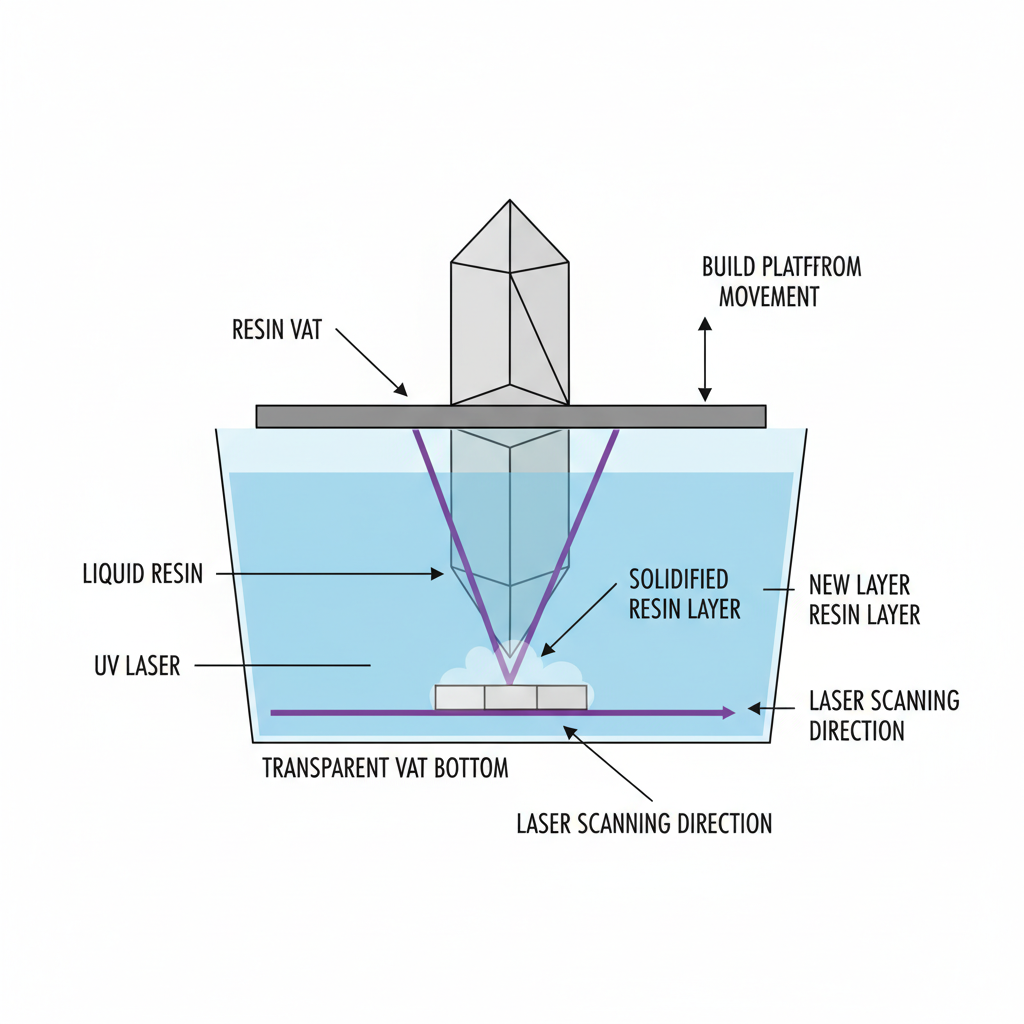
SLA cures liquid photopolymer resin using a UV laser. It produces extremely smooth surfaces and fine details, making it popular for visual prototypes and jewelry.
Key characteristics:
- Material: Photopolymer resin (standard, engineering, dental)
- Layer thickness: 0.025–0.1 mm
- Build volume: Typically smaller (up to 145 × 145 × 175 mm for desktop)
- Requires support structures and post-curing
- Brittle compared to nylon
Head-to-Head Comparison
| Feature | SLS | SLA |
|---|---|---|
| Material | Nylon PA12/PA11 | Photopolymer resin |
| Mechanical strength | ★★★★★ Excellent | ★★★☆☆ Moderate |
| Surface finish | ★★★☆☆ Slightly grainy | ★★★★★ Very smooth |
| Dimensional accuracy | ±0.1–0.3 mm | ±0.05–0.1 mm |
| Support structures | Not required | Required |
| Post-processing | Bead blasting, dyeing | UV curing, sanding |
| Cost (per part) | Medium–High | Low–Medium |
| Best for | Functional parts, batch production | Visual models, jewelry, dental |
| UV/heat resistance | Good | Poor |
| Flexibility | Available (TPU) | Limited |
When to Choose SLS
SLS is the right choice when your project requires:
- Functional, load-bearing parts — Nylon PA12 offers tensile strength of ~48 MPa, suitable for clips, brackets, and housings.
- Complex geometries — No supports means you can print interlocking assemblies, living hinges, and internal channels in a single run.
- Batch production — SLS build chambers can be densely packed with multiple parts, reducing per-unit cost significantly.
- Post-processing flexibility — SLS parts can be dyed, painted, smoothed, or coated for a professional finish.
Example: A medical device company needed 500 units of a custom orthotic brace with complex geometry. SLS delivered all 500 parts in 5 days with consistent quality — impossible with SLA at that scale.
When to Choose SLA
SLA excels when your project requires:
- Ultra-fine surface detail — Jewelry, dental models, and display prototypes benefit from SLA's sub-0.1mm layer resolution.
- Transparent parts — Clear resin can be polished to optical clarity.
- Low-volume visual models — When appearance matters more than mechanical performance.
Cost Analysis
For a typical engineering bracket (100 × 80 × 40 mm):
| Quantity | SLS (PA12) | SLA (Engineering Resin) |
|---|---|---|
| 1 unit | $45–65 | $25–40 |
| 10 units | $30–45/ea | $20–35/ea |
| 100 units | $15–25/ea | $18–30/ea |
SLS becomes more cost-competitive at higher volumes due to build chamber packing efficiency.
Conclusion
Choose SLS if: You need durable, functional parts, complex geometries, or batch production of nylon components.
Choose SLA if: You need ultra-smooth visual prototypes, fine details, or transparent parts.
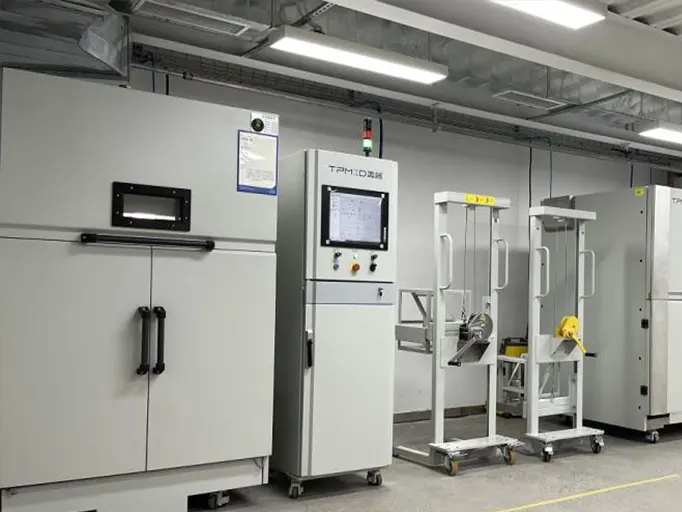
At TPM3D, we specialize in industrial SLS printing with PA12 and PA11 nylon. Our 3-day turnaround and factory-direct pricing make us the preferred partner for engineers worldwide.
Ready to get started? Review our SLS 3D printing and prototyping services, then request a project-specific quote with your CAD files, quantity, finish, inspection needs, and destination.
Related Case Studies
See how we have delivered results in similar projects
 Medical
Spinal Orthosis Solution
Custom 3D printed spinal braces providing personalized solutions for scoliosis patients.
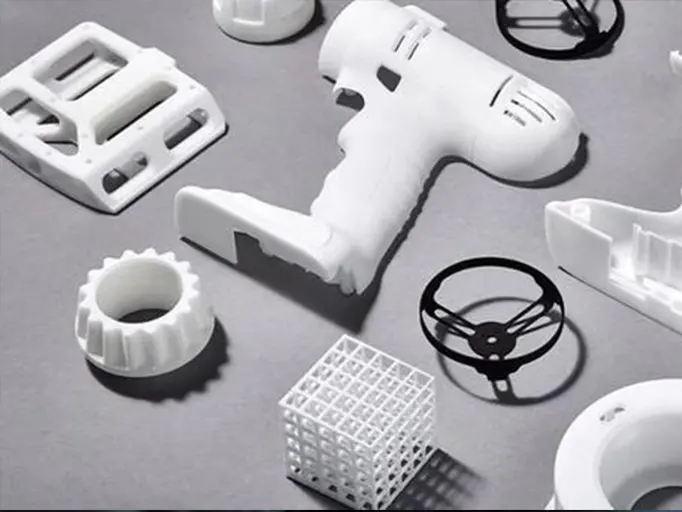
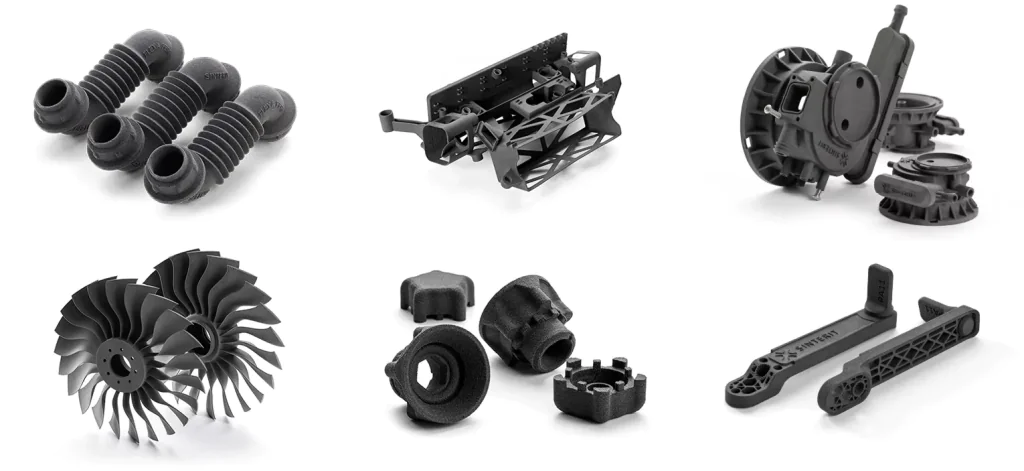 Industrial
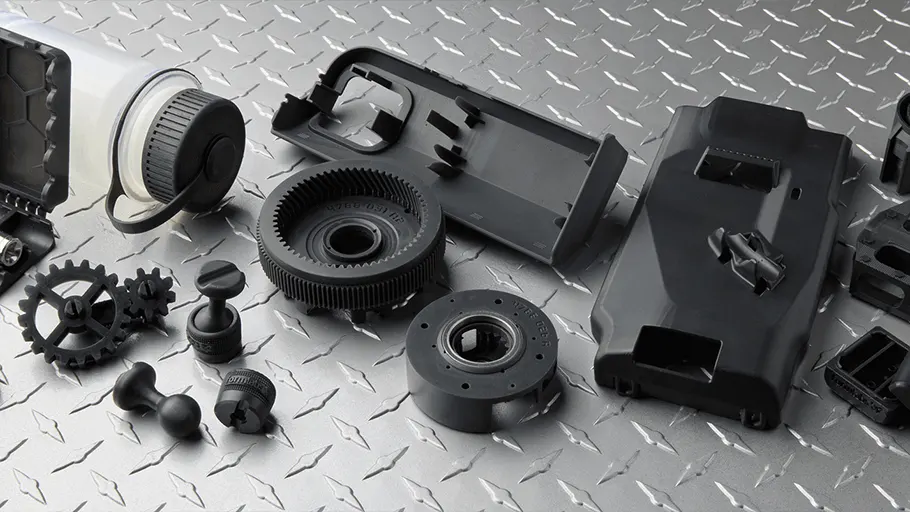
Precision Small Parts Production
Batch production of precision small parts for multiple industry clients with complex geometries.
 Automotive
Automotive Prototype Parts
Functional automotive prototype parts for design validation and aerodynamic testing.