Introduction
Both SLS and CNC machining are used for functional prototypes, but they solve different problems. CNC is strong when exact machined geometry and dense material behavior matter most. SLS is stronger when speed, geometry freedom, and design iteration matter more.
Where SLS Has the Advantage
- Faster iteration on complex shapes
- No tooling or fixturing burden for unusual geometry
- Better for internal channels and lightweight forms
- Easier path into low-volume nylon production
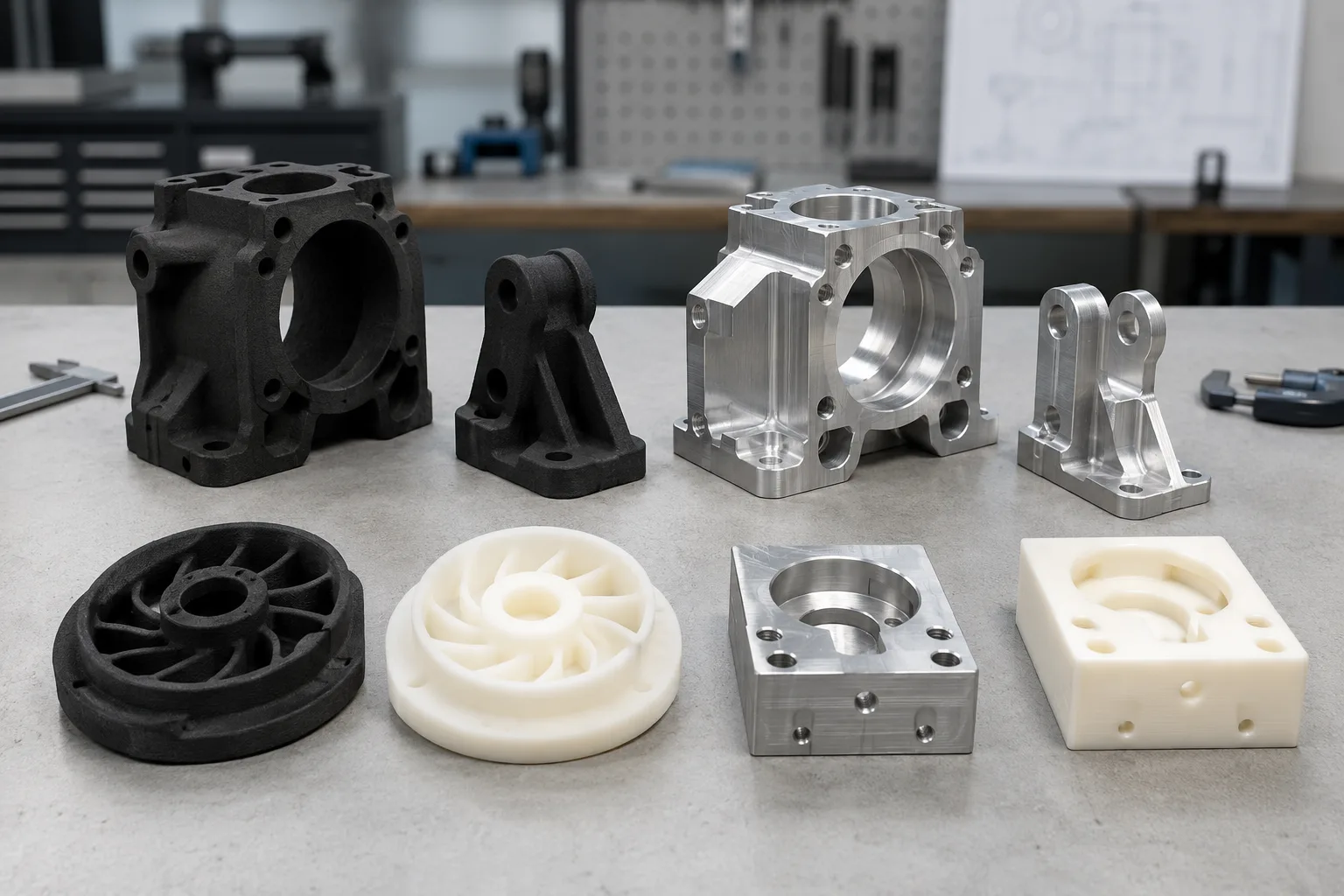
Where CNC Still Wins
- Tight machined tolerances
- Solid billet materials
- Metal part simulation
- Very smooth precision surfaces on selected features
Final Takeaway
Choose CNC when the prototype must behave like a machined part. Choose SLS when the prototype needs to answer broader functional and design questions faster.
Related Case Studies
See how we have delivered results in similar projects
 Industrial
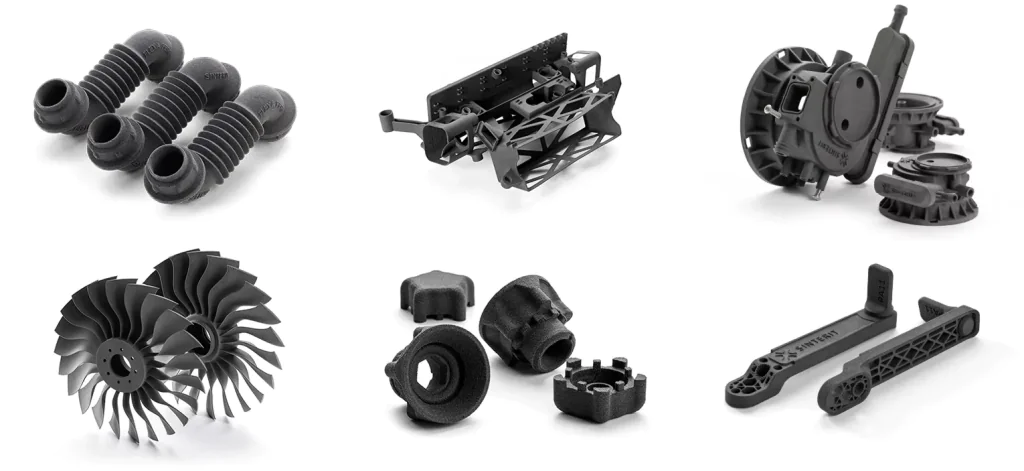
Precision Small Parts Production
Batch production of precision small parts for multiple industry clients with complex geometries.
Material:PA12 / PA11
PA12PA11Small Batch
View Case →
 Industrial
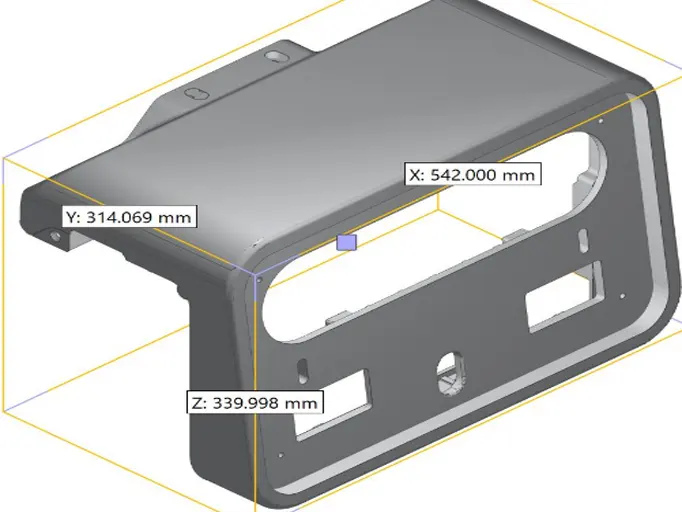
Industrial Robot Gripper
Custom end-of-arm tooling for industrial robots with complex internal channels.
Material:PA12
PA12IndustrialSLS Design
View Case →
 Medical
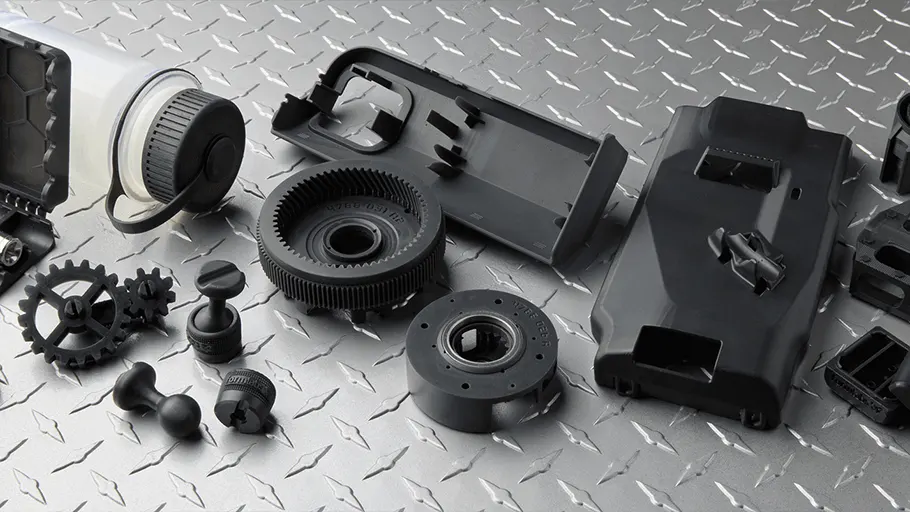
Spinal Orthosis Solution
Custom 3D printed spinal braces providing personalized solutions for scoliosis patients.
Material:Medical-grade PA12
PA12MedicalCustomization
View Case →