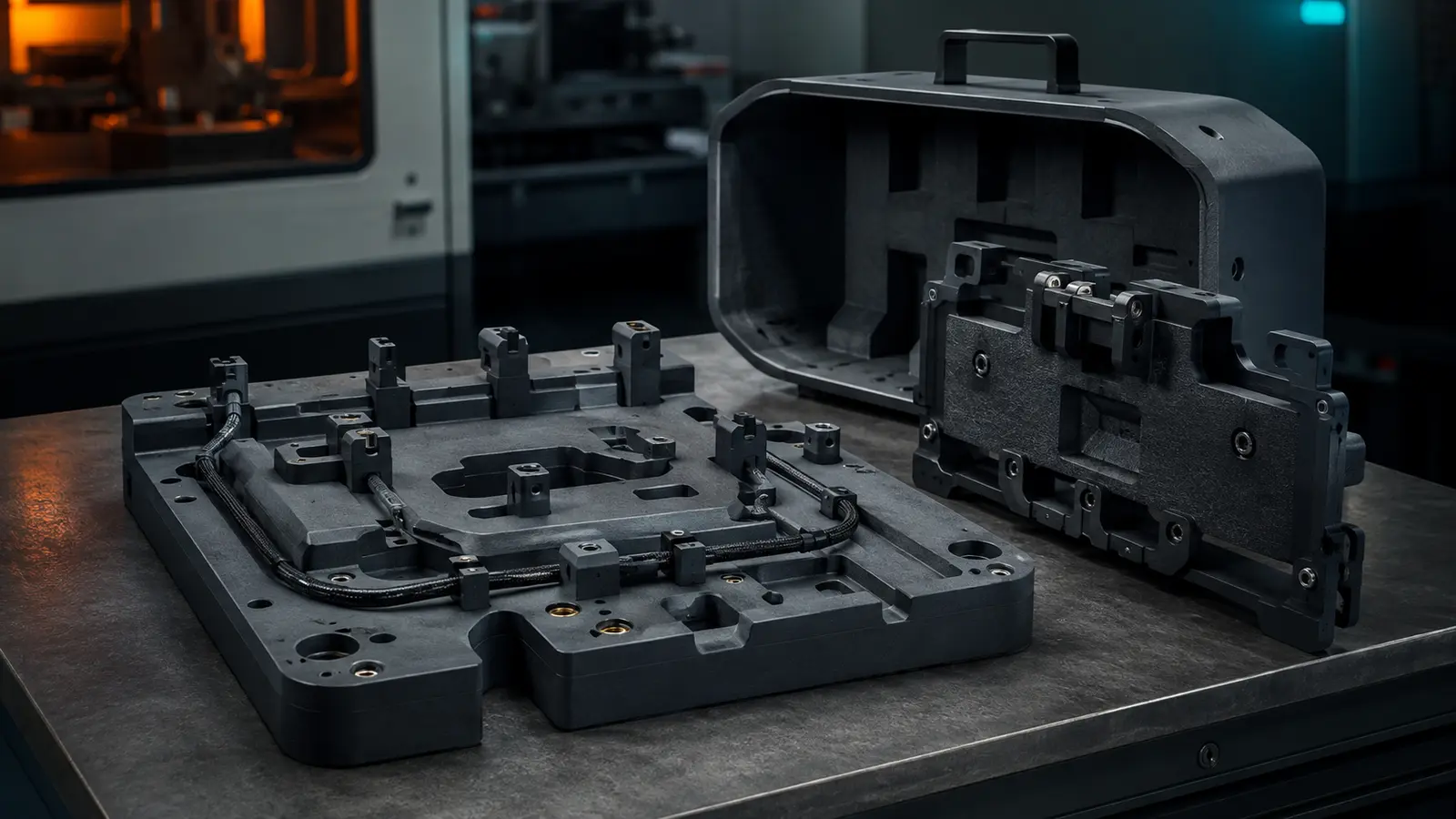
A useful SLS functional-part test plan connects four evidence levels: controlled material coupons, representative features, finished parts and the final assembly. Each level answers a different question. Before testing, define the exact material, design revision, manufacturing and finishing condition, method, sample quantity, environment and acceptance criteria. Passing one level does not automatically qualify the next.
An SLS functional-part test plan is a controlled document that maps engineering decisions to specimens, methods, acceptance criteria and records. It states what each test can prove, what remains outside scope and which design or process changes require review.
Why separate coupon, feature, part and assembly evidence?
The levels are related but not interchangeable:
| Evidence level | Typical decision | Important limitation |
|---|---|---|
| Material coupon | Characterize a defined material and build condition | Does not reproduce every feature, interface or finish |
| Representative feature | Review a boss, clip, hole, wall, lattice or insert zone | Does not prove the whole part or load path |
| Finished part | Check geometry, condition, finish and part-level behavior | May not represent mating hardware or system interaction |
| Assembly | Evaluate fit, motion, sealing, load transfer or service access | Result is limited to the tested configuration and environment |
Use the lowest level that answers the decision, but do not generalize beyond its scope.
What must be fixed before testing?
Create a controlled test definition:
- Decision: selection, comparison, verification, validation or investigation.
- Part identity: authoritative CAD, drawing, revision and units.
- Material: supplier, exact grade, powder or lot information when required.
- Manufacturing condition: machine or route, build location and orientation when controlled.
- Post-processing: cleaning, conditioning, dyeing, smoothing, coating, machining, inserts and assembly.
- Method: applicable standard or written project procedure.
- Sampling: specimen or part quantity and selection rule.
- Acceptance: units, threshold or qualitative reference, decision owner and reporting format.
ISO/ASTM 52901 describes information exchange, inspection requirements and acceptance methods for purchased additive-manufactured parts. It does not supply a universal acceptance value.
How should coupon evidence be prepared and reported?
A coupon is useful only when its preparation and condition are traceable. Record geometry, location, orientation, process condition, material identification, conditioning, post-processing and the test procedure.
ISO/ASTM 52936-1 specifies general principles for preparing PBF-LB polymer test specimens and for reporting sintering conditions. The standard does not specify the test procedure itself. Select the mechanical, physical or environmental method separately and state why it represents the project decision.
Use the materials overview to identify the candidate family, then request grade-level documentation. Do not convert nominal TDS data into a guaranteed printed-part result.
When is a representative feature needed?
Use a feature specimen when a standard coupon cannot reproduce the local design question. Examples include:
- clip roots and repeated assembly zones;
- insert bosses and fastener interfaces;
- holes, channels and powder-removal paths;
- lattice-to-solid transitions;
- coating, masking or bonding regions;
- thin edges and local radii.
The feature must preserve the variables that matter to the decision. A simplified specimen that changes load path, thickness, surface condition or hardware may not represent the final design. Start with the SLS DFM checklist and document every simplification.
What should be checked on the finished part?
Part-level checks can include identity, revision, material records, visible condition, critical dimensions, mass when specified, surface or coating condition, retained powder, inserts and part-level functional tests. Only include checks tied to a written requirement.
The post-processing and inspection checklist helps separate cosmetic, dimensional and functional evidence. A visual pass does not prove load, sealing, chemical resistance, UV stability, fatigue or service life.
Why does the final assembly need its own test?
Mating parts, fasteners, adhesives, seals, cables, bearings and installation sequence can change how a printed component behaves. Assembly testing evaluates the actual interfaces and load transfer that coupons and isolated parts omit.
Record the hardware revision, torque or installation procedure when applicable, mating-part condition, environment, test sequence and failure definition. Use the end-use qualification checklist to keep prototype evidence separate from production-intent approval.
How should acceptance criteria be written?
An acceptance criterion should identify:
- the feature or response being evaluated;
- units and measurement method;
- specimen or assembly condition;
- environment and test sequence;
- pass, fail and invalid-test rules;
- treatment of outliers, deviations and concessions;
- approval owner and record retention.
ISO/ASTM 52924 provides a framework for classifying mechanical, physical and geometrical properties of polymer AM parts. It does not make an untested part compliant or replace industry-specific requirements.
What should trigger retesting?
Review the evidence after changes to:
- exact material grade, supplier or permitted powder condition;
- controlled build orientation, location or process route;
- geometry, wall, lattice, clip, boss, hole or interface;
- conditioning, finish, coating, machining or cleaning;
- inserts, fasteners, adhesives, seals or mating components;
- method, fixture, load, cycle, environment or acceptance requirement.
The project owner should define which changes require a document review, partial retest or complete requalification.
When is a test plan not yet adequate?
Do not release a functional conclusion when:
- the decision or acceptance criterion is undefined;
- specimen preparation is not traceable;
- the test method does not represent the intended load or environment;
- production-intent material, finish or hardware was not used where needed;
- the sample is too narrow for the stated claim;
- failed or invalid tests are omitted;
- a coupon result is presented as assembly or service-life evidence.
The common failure guide can help identify open risks before testing.
What belongs in an SLS testing RFQ?
Send:
- controlled CAD, drawing, revision and units;
- part function and consequence of failure;
- exact grade or required property priorities;
- critical features, datums, interfaces and mating hardware;
- production-intent finishing and conditioning;
- test standard or project method;
- specimen and part quantities;
- environment, fixtures and test sequence;
- acceptance criteria and reporting format;
- destination and target date.
Submit the project for engineering review so the test scope, manufacturability, evidence, price and schedule can be confirmed for the actual order.
Primary references and evidence boundary
Research example: orientation and electrical function
Our PA12 build-orientation research note illustrates why an electrical-function assessment should identify the material grade, build direction and specimen limitations before moving to assembly validation. It separates the published experiment from TPM3D recommendations; it is not a product qualification.
- ISO/ASTM 52901:2017: Requirements for Purchased AM Parts
- ISO/ASTM 52924:2023: Classification of Polymer AM Part Properties
- ISO/ASTM 52936-1:2023: Preparation of PBF-LB Polymer Test Specimens
These standards support information exchange, property classification and traceable specimen preparation. They do not establish a material property, tolerance, load capacity, service life, production capability, certification or test result for TPM3D parts.
Frequently Asked Questions
Is a material coupon enough to qualify an SLS functional part?
No. A coupon can characterize a defined material and build condition, but it does not automatically represent the final geometry, interfaces, post-processing, hardware, conditioning or service environment. Link coupon evidence to representative features, finished parts and the assembled function.
What should be written before SLS testing begins?
Define the decision, controlled design revision, exact material grade, specimen or part configuration, build and finishing route, conditioning, test method, sample quantity, environment, acceptance criteria, data owner and change rules before testing begins.
Should SLS tests use as-built or finished parts?
Use the condition that answers the decision. Material characterization may require a controlled specimen condition, while fit, sealing, wear, coating or assembly decisions usually need the production-intent finish and hardware. Record the condition for every result.
When must an SLS part be retested?
Review retesting when the material grade, supplier, build orientation, controlled process, geometry, finish, hardware, conditioning, test method, load, environment or acceptance requirement changes. The project owner should define which changes invalidate earlier evidence.
What test information belongs in an SLS RFQ?
Include the authoritative CAD and drawing, part function, exact grade or property priorities, critical features, production-intent finish, test method, sample quantity, conditioning, acceptance criteria, reporting format, destination and target date. Identify customer-supplied standards or fixtures.
Related Case Studies
See how we have delivered results in similar projects
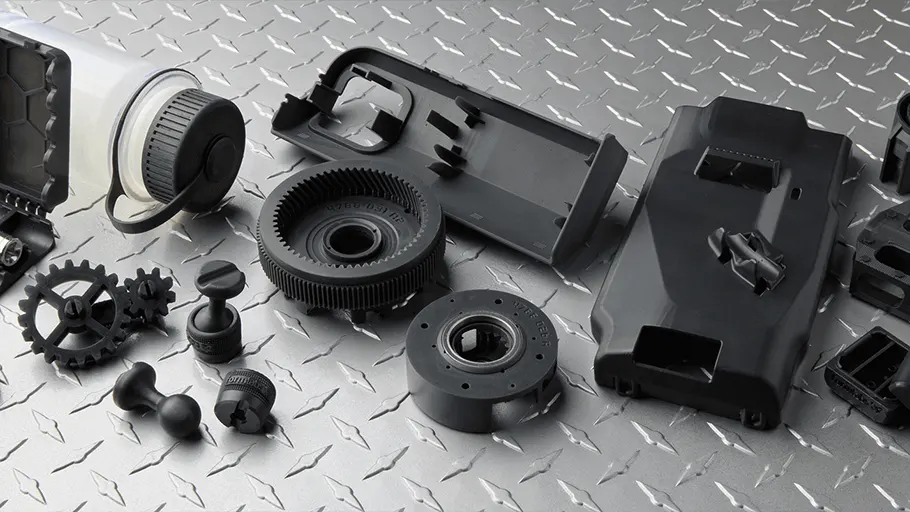 Medical
Spinal Orthosis Solution
Custom 3D printed spinal braces providing personalized solutions for scoliosis patients.
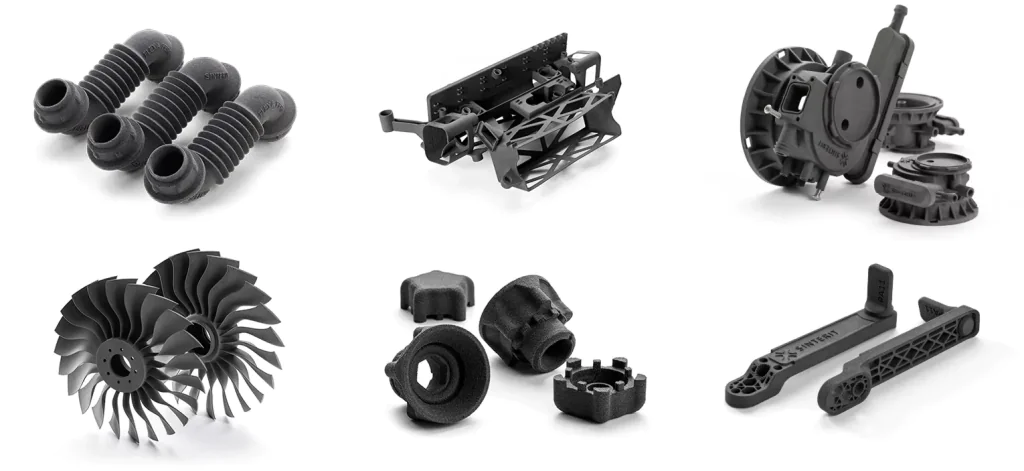 Industrial
Precision Small Parts Production
Batch production of precision small parts for multiple industry clients with complex geometries.
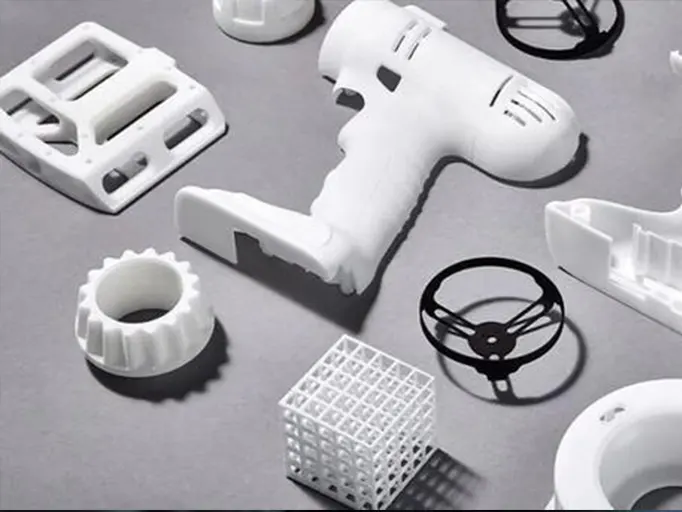 Automotive
 Prototype Parts
Functional automotive prototype parts for design validation and aerodynamic testing.